
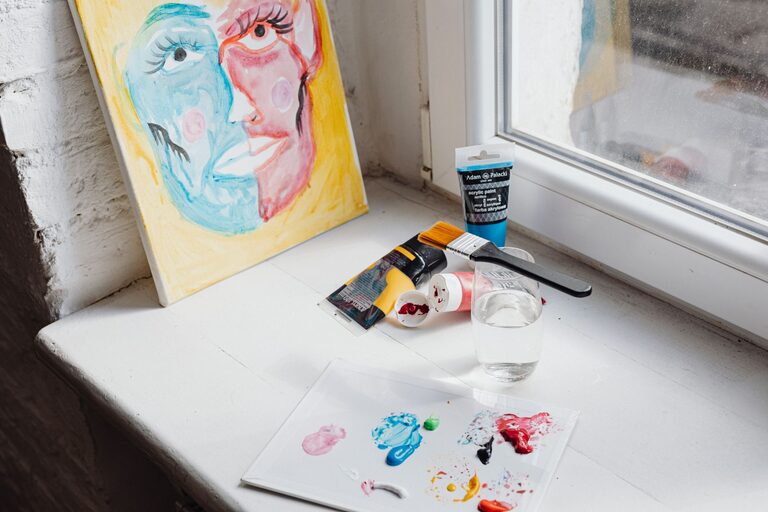
Creativity isn’t just for artists or writers—it’s a skill anyone can nurture and develop. Practicing creativity daily can help you solve problems, think outside the box, and experience greater joy in your everyday life. The good news? You don’t need special tools or hours of free time to be creative each day. Here are some simple, practical ways to keep your creative energy flowing.
Why Practice Creativity Every Day?
Creativity helps you approach challenges with fresh perspectives. It can improve mental flexibility and reduce stress by encouraging playful thinking. Making creativity a daily habit helps keep your mind active and engaged, whether at work, home, or in social settings.
Easy Ways to Boost Creativity Daily
1. Keep a Creativity Journal
Journaling is a simple and effective way to capture new ideas, thoughts, and inspirations. Set aside a few minutes each day to write down anything that sparks your interest. It could be a new idea, a problem you want to solve, or even a doodle.
– Use a small notebook or a digital app.
– Don’t worry about grammar or structure.
– Review your notes weekly to see patterns and new ideas.
2. Try a New Activity or Hobby
Stepping outside your routine challenges your brain in new ways. Whether it’s cooking a new recipe, learning a musical instrument, or starting a craft project, trying something different can unlock your creative potential.
– Choose activities that excite you.
– Allow yourself to be a beginner—focus on the experience, not perfection.
– Mix things up regularly to keep it fresh.
3. Practice Mindfulness and Observation
Creativity often starts with noticing details others might miss. Practicing mindfulness helps you tune into your surroundings, thoughts, and feelings with curiosity.
– Spend 5-10 minutes each day observing nature, sounds, or your environment.
– Note sensory details—colors, shapes, smells.
– Avoid distractions to stay fully present.
4. Use Creative Prompts
Prompts can provide a helpful starting point when you feel stuck. You can find prompts for writing, drawing, photography, or even brainstorming ideas.
– Example writing prompt: “Imagine a world where time runs backward.”
– Drawing prompt: “Sketch an object from a different perspective.”
– Use online resources or creativity apps for fresh prompts.
5. Change Your Environment
A change of scenery can refresh your mind and inspire new ideas. Whether it’s working from a coffee shop, rearranging your workspace, or going for a walk in a different park, new environments stimulate creativity.
– Add plants or artwork to your workspace.
– Declutter to create a calm atmosphere.
– Take breaks outdoors to reset your focus.
6. Collaborate and Share Ideas
Talking with others and sharing your ideas can open new creative pathways. Collaboration encourages feedback and can spark concepts you wouldn’t discover alone.
– Join a creative group or online community.
– Schedule brainstorming sessions with friends or colleagues.
– Be open to different viewpoints and constructive criticism.
7. Set Small, Achievable Creative Goals
Break down larger creative projects into bite-sized tasks. Setting small goals makes creativity manageable and avoids feeling overwhelmed.
– Example: Instead of “Write a book,” try “Write 200 words a day.”
– Celebrate small wins to stay motivated.
– Adjust goals based on your schedule and energy levels.
Building Creativity into Your Routine
Consistency matters when developing any new habit. Try integrating creativity practices into your daily routine by pairing them with existing habits.
– Write ideas while having your morning coffee.
– Sketch or doodle during commute times.
– Use waiting periods (doctor’s office, lines) for quick creativity exercises.
Overcoming Creative Blocks
Everyone experiences creative blocks from time to time. When this happens, try:
– Taking a short break or walk.
– Changing your creative medium (e.g., switch from writing to drawing).
– Limiting distractions by turning off notifications.
– Giving yourself permission to create imperfectly.
The Joy of Everyday Creativity
Remember, creativity isn’t about producing masterpieces every day. It’s about exploring, expressing, and enjoying the process. By practicing simple creative habits, you’ll find new ways to engage with the world and enrich your daily life.
Start small, be patient, and watch your creativity grow—one day at a time!